
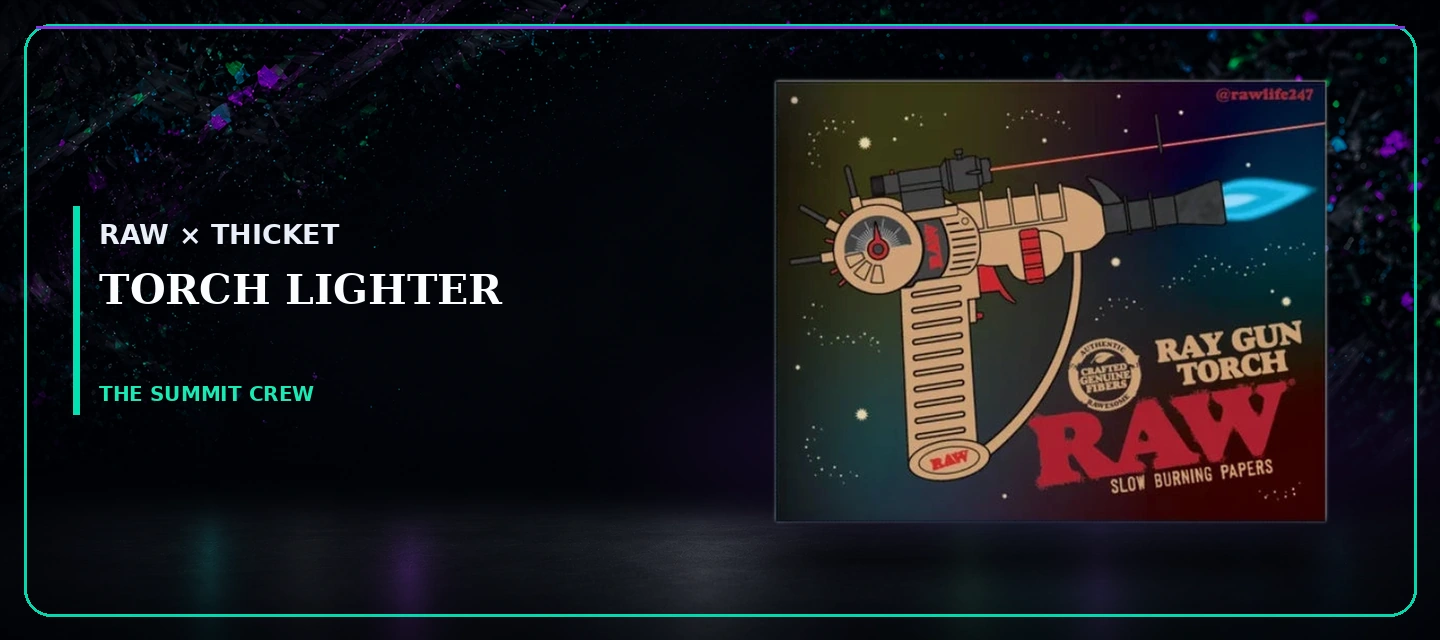
A refillable torch lighter uses pressurised butane forced through an internal injector to produce a focused, wind-resistant jet flame. Selecting the right model requires matching the nozzle count to your specific adult hardware, while long-term reliability depends on completely bleeding trapped gas from the fuel chamber before every refill.
At Joint Venture, we curate hardware built for consistent everyday performance. Whether you are assembling kit on a rolling tray setup or heating manual thermal extraction devices, clean combustion makes a tangible difference. A neglected lighter invariably fails at the worst moment: spitting yellow sparks, leaking pressure, or refusing to spark when cold.
All accessories stocked by jointventureshop.co.uk are strictly for adults aged 18 and older. For lawful adult use only. Joint Venture does not sell any controlled substance.
Key takeaways
- Bleeding trapped propellant before every refill prevents vapour lock and irregular combustion.
- Single-jet torches offer targeted heat for precise tasks, while multi-jet models heat broader surfaces rapidly.
- Liquefied butane requires several minutes to return to room temperature after refilling before you ignite the valve.
- Use zero-impurity or near-zero refined butane to prevent microscopic soot and mineral deposits from clogging the catalytic nozzle.
Single vs multi-jet: how to choose your lighter
Choosing a torch comes down to heat distribution, fuel consumption, and the size of your device. The commercial scale of these tools reflects their utility across diverse industries. The global lighters market was valued at USD 5.98 billion in 2024 and is projected to reach USD 7.06 billion by 2030, representing a CAGR of 2.80%, according to Arizton Advisory & Intelligence. Modern mechanical designs span from compact pocket tools to heavy, desk-standing torches.
| Configuration | Flame Profile | Fuel Efficiency | Best For | Wind Resistance |
|---|---|---|---|---|
| Single-Jet | Concentrated needle | High (longest run time) | Precision heating, portable hardware | Moderate to high |
| Double-Jet | Converging dual points | Balanced | Medium surfaces, outdoor use | High |
| Triple-Jet | Broad triangular cluster | Lower (high consumption) | Rapid thermal dispersion, larger glassware | Very high |
| Quad / Tabletop | Wide thermal column | Lowest (rapid consumption) | Heavy laboratory quartz, studio tasks | Maximum |
Single-Jet
Flame Profile: Concentrated needle
Fuel Efficiency: High (longest run time)
Best For: Precision heating, portable hardware
Wind Resistance: Moderate to high
Double-Jet
Flame Profile: Converging dual points
Fuel Efficiency: Balanced
Best For: Medium surfaces, outdoor use
Wind Resistance: High
Triple-Jet
Flame Profile: Broad triangular cluster
Fuel Efficiency: Lower (high consumption)
Best For: Rapid thermal dispersion, larger glassware
Wind Resistance: Very high
Quad / Tabletop
Flame Profile: Wide thermal column
Fuel Efficiency: Lowest (rapid consumption)
Best For: Heavy laboratory quartz, studio tasks
Wind Resistance: Maximum
Single-jet torches
A single-jet torch focuses its output into a single, needle-thin blue cone. This configuration delivers exceptional pinpoint control, allowing you to direct thermal energy exactly where it is needed without scorching surrounding silicone rings, glass joints, or timber components. Because it only feeds one internal aperture, a single-jet lighter uses fuel sparingly, making it the most practical companion for portable carrying.
Multi-jet torches
Double, triple, and quadruple-jet torches direct multiple ignition streams toward a central point or arrange them in a broad pattern. They deliver intense heat across a wider surface area in half the time of a single jet. The trade-off is rapid fuel consumption and a noticeably larger internal tank. Multi-jet models generate significant ambient radiant heat, making them best suited for stationary use rather than quick, discrete pocket carry.
Hybrid and soft-flame combinations
Some hardware incorporates dual-action switches, allowing you to toggle between an initial windproof jet flame and a classic soft yellow flame. While versatile, dual-action mechanisms contain additional internal O-rings that demand strict maintenance and high-purity fuel to avoid mechanical failure. If you primarily work with electronic alternatives like those detailed in our guide to the best dry herb vaporizer UK market, you will know that precision components require methodical upkeep.
Step-by-step: how to bleed and refill a torch lighter
Refilling a torch without bleeding the reservoir introduces ambient air into the fuel chamber. As incoming fuel compresses this pocket of atmospheric gas, internal pressure rises artificially, preventing a complete refill and causing erratic ignition. Here's how the Summit Crew keeps theirs fresh.
1. Depressurise the tank (bleeding)
Never introduce fresh gas into a partially pressurised chamber.
- Work in a well-ventilated space away from open flames, electrical heaters, or sparks.
- Turn the flame height adjuster screw clockwise toward the minus (-) position until it stops.
- Hold the lighter vertically with the base valve pointing upward.
- Take a small, non-marring tool such as a small screwdriver or dedicated purge pen.
- Press the valve stem straight down.
- Continue pressing in short increments until you no longer hear the hiss of escaping propellant and no liquid residue escapes.
2. Prepare the fuel canister
The physical properties of the fuel explain why temperature matters. INCHEM reports that liquefied butane gas has a boiling point of -0.5 °C and exerts a vapour pressure of 213.7 kPa at 21.1 °C. Shake the canister for five seconds to stabilise internal pressure, and select the correct adapter nozzle if the default metal stem does not fit your model snugly.
3. Inject the liquid butane
- Invert both the lighter and the fuel canister so both sit upside down. Liquid fuel relies on gravity and pressure differentials to transfer smoothly.
- Align the can's nozzle straight into the inlet valve.
- Press firmly downward without angling the can.
- Hold firm for four to five seconds. If liquid sprays outward around the valve, stop immediately: the nozzle is misaligned or the tank is already full. Repeat twice for a full charge.
4. Allow the gas to settle
A freshly filled lighter will feel cold to the touch. Because liquid butane chills rapidly during expansion, attempting to light it immediately will produce a weak or non-existent flame. Let the lighter rest undisturbed for at least five minutes on a flat surface. This pause allows the liquid to reach room temperature, re-establishing optimal internal pressure.
5. Calibrate the flame
Once warm, turn the flame adjuster back toward the positive (+) mark by a quarter-turn. Point the torch away from your face and body, then depress the ignition mechanism. Fine-tune the dial until the blue inner cone measures between 1.5 and 2.5 centimetres in length.
Safety standards, maintenance, and UK travel rules
Operating pressurised hardware requires clear attention to safety protocols, build standards, and transport restrictions. Pressurised butane generates considerable kinetic force within plastic and metal housings. Under federal safety standard 16 CFR § 1210.2, disposable lighters using liquefied hydrocarbon fuel such as butane must have a vapor pressure exceeding 15 psi (103 kPa) gage pressure at 75 °F (24 °C), according to the Electronic Code of Federal Regulations.
Regulatory interventions have made a profound impact on domestic handling. The Consumer Product Safety Commission reported that residential fire deaths associated with children playing with lighters dropped 43 percent from 230 in 1994 to 130 in 1998 following child-resistant safety standards. For British and European hardware, the BSI Group outlines that the BS EN ISO 9994:2019 standard specifies safety requirements for flame-producing lighters to minimize potential operational hazards to users.
To maintain your tool safely:
- Store torches strictly below 50 °C, away from direct sunlight, car dashboards, and heat registers.
- Inspect the ceramic ignition collar regularly for cracks or carbon buildup.
- Clean the nozzle opening with a brief burst of compressed air to clear pocket lint and dust.
- Never use metal wire or needles to scrape the interior of an ignition nozzle, as scratching the micro-orifice permanently ruins the flame pattern.
When travelling through UK airports, regulations regarding jet torches differ sharply from conventional soft-flame pocket items. Most UK and international aviation authorities categorise high-temperature jet flame and blue-torch units as hazardous goods. They are almost universally banned from both checked baggage and carry-on luggage. Conventional flint lighters are occasionally permitted on your person in clear plastic security bags, but torch mechanisms are regularly confiscated at security checkpoints. Always check your specific airline carrier rules and regional aviation security guidance directly before travelling.
Frequently asked questions
Why does my torch lighter click but fail to ignite after refilling?
The chamber likely contains trapped atmospheric air or the fuel has not yet warmed to room temperature. Purge the valve completely using a small tool, refill the inverted tank with refined butane, and wait five minutes before striking the igniter.
What grade of butane fuel should I use?
Always use butane labelled as near-zero impurities, triple-refined, or five-times-plus refined. Cheaper unrefined gases contain heavy hydrocarbons, lubricating oils, and propellants that quickly clog the micro-fine jet nozzles, permanently degrading ignition performance.
Can I fly with a jet torch lighter inside the UK?
Aviation security guidelines generally prohibit torch lighters with jet flames across all UK domestic and international flights, in both hold and cabin baggage. Standard safety protocols treat pressurised torches as dangerous goods, so check with your specific airline operator before packing.
How do I know when the fuel tank is completely full?
If your lighter lacks a clear viewing window, you can tell the tank is full when you feel sudden backpressure and notice a faint mist of gas spraying from the fill stem. At that moment, stop pressing immediately to avoid overfilling the reservoir.
The takeaway: maintaining your hardware
A quality torch delivers stable, clean combustion across months of daily use when bled and filled correctly. Skipping the purge step or introducing unrefined gas leads to valve corrosion, sputtering flames, and premature failure. Taking five minutes to vent trapped pressure and calibrate the burner protects the integrity of your hardware collection.